

Special thanks to the Eunice Joyce Gardiner Foundation for their generous philanthropy. Description FINDING HOPE: MANAGING THE MENTAL HEALTH CRISIS Town Hall answers your questions and provides resources to support kids, adults, seniors, military veterans and so many who are suffering from anxiety, addiction, grief, loneliness, sorrow, and depression. Experts in addiction, mental health, children's issues, and veterans affairs provide the insight that is needed nowadays to find the [...]

Social media is a part of modern life for many but research shows that it is designed to be addictive and can be harmful to teenagers.

Gray hair is thought to be a sure sign of aging. But research shows stress can also turn hair gray. But the surprising finding from a small study is that reducing that stress may help turn that stress-induced gray hair back to its natural color.

A new so-called “pacemaker for the brain” works to treat epilepsy by implanting electrodes on the brain that can detect a seizure. This offers another option for epilepsy patients that doesn’t involve medication or surgery.

Eating a healthy diet, getting enough sleep, and incorporating physical activity can give your immune system a healthy boost, as well as improve your cardiovascular health.
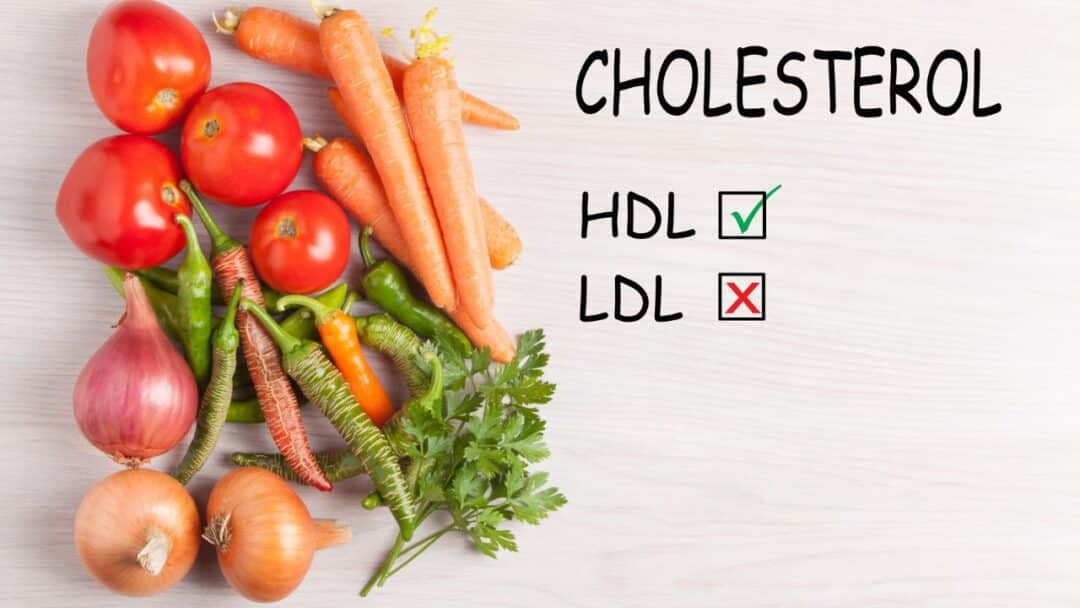
High “bad “ cholesterol can build up in the arteries and lead to dangerous fatty plaques that block blood flow and lead to a heart attack or stroke. Certain foods can help lower the levels of “bad” cholesterol but medication is often needed as well.

Myocarditis, swelling of the heart, is a rare side effect of the COVID-19 vaccines that often affects young, male athletes. Most patients fully recover, but it is important that the athletes don’t get back into sports too soon.
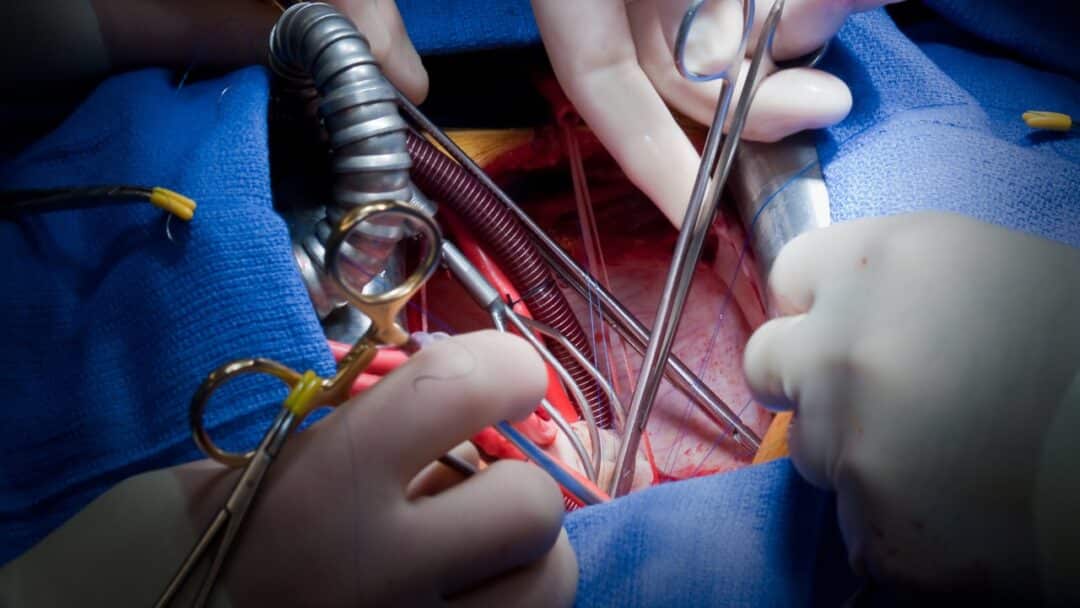
Doctors discovered a huge tumor in the heart of a baby still in the womb. The fetus would not have survived unless surgeons performed an emergency operation, so the doctors did the surgery and returned the baby back to the womb to continue growing.
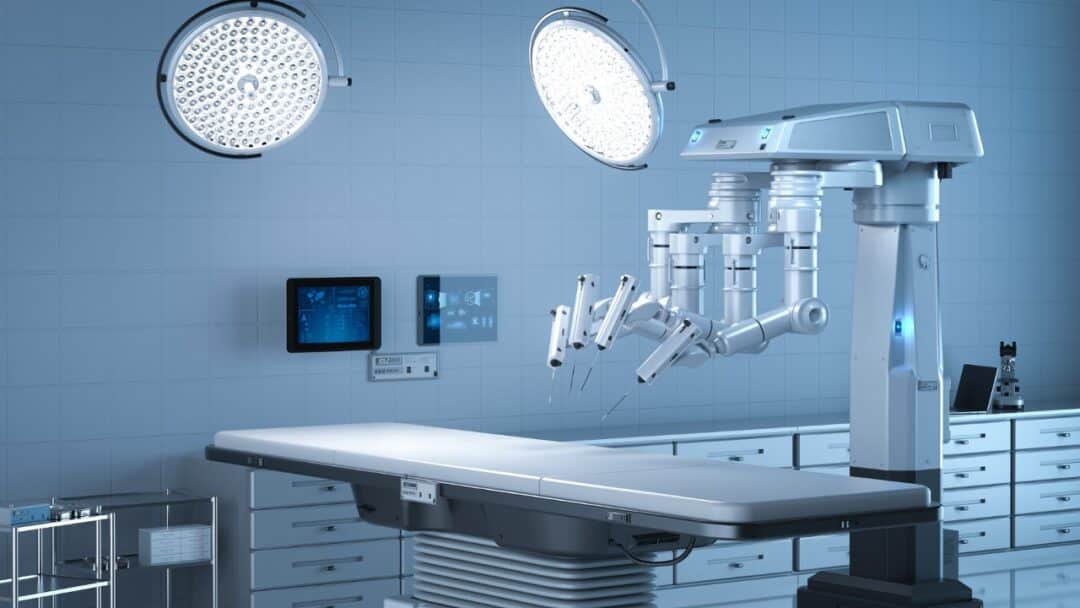
Minimally Invasive surgery describes operations that have smaller incisions, less blood loss, and less trauma to the patient than traditional surgeries. Patients who have had minimally invasive operations often recover much more quickly and with less pain than those who have had traditional open operations.