
People with life-threatening medical emergencies, like heart attacks or strokes, are not calling 9-1-1 because they’re afraid of being exposed to COVID-19. This delay is having devastating consequences including in many cases death or severe disability. Doctors warn time is of the essence with an emergency and the sooner the emergency can be treated, the […]

The coronavirus crisis has so thoroughly upended so many aspects of life that it is easy to let the uncertainty associated with it stress you out. But there are ways to get that stress under control.

Statistics show the African American community is being hit hard by coronavirus complications. Leaders of the African American community might be the best messengers to get the word out about changes that can help lower the risk of COVID-19 complications.

There are many reasons for the increased risk of complications of COVID-19 in the African American community, but there are some simple steps everyone can take to help lower the risks.
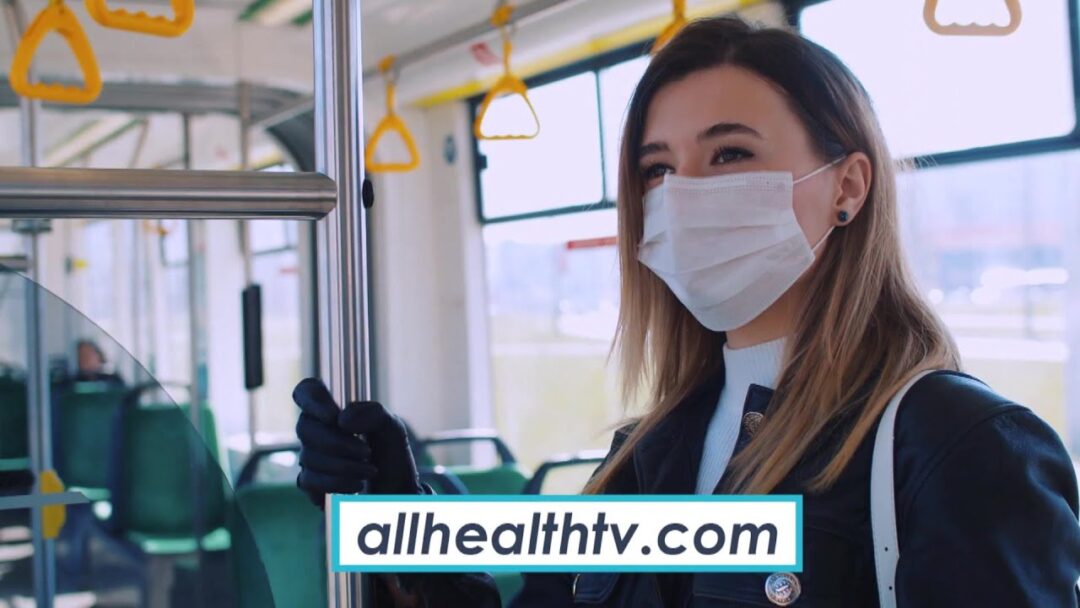
As communities begin to open after shelter-in-place lockdown, there are several steps health experts say are important to helping us stay safe and avoid a resurgence of the coronavirus.
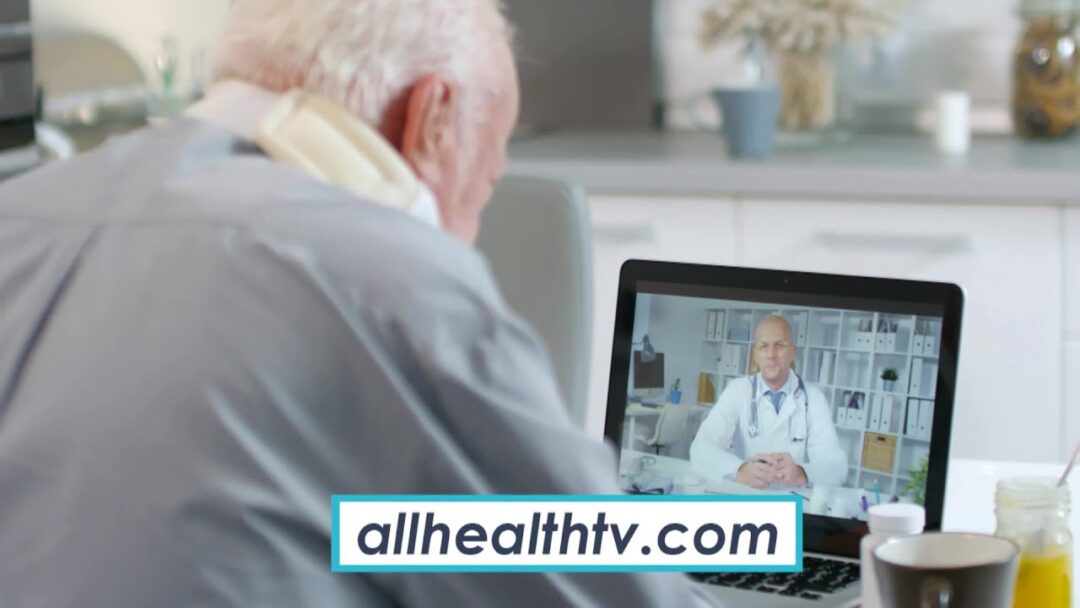
Telemedicine has become the preferred method for many to meet with health professionals for health checkups or mental health therapy. A doctor explains how the convenience of telemedicine does not result in a reduction of quality care.

African Americans have a higher risk of deadly complications from COVID-19. If children can be educated about how to establish healthier habits, researchers believe the children can help their parents and grandparents change some of lifestyle factors that contribute to the high risk of coronavirus complications.

Shelter at home orders put many children behind in the routine vaccinations. Pediatricians say it’s now important to catch up to protect kids’ long-term immunity to many deadly diseases. Pediatricians’ offices follow CDC guidelines for sanitation and the staff has adjusted waiting room rules to allow for proper social distancing to keep everyone safe when […]
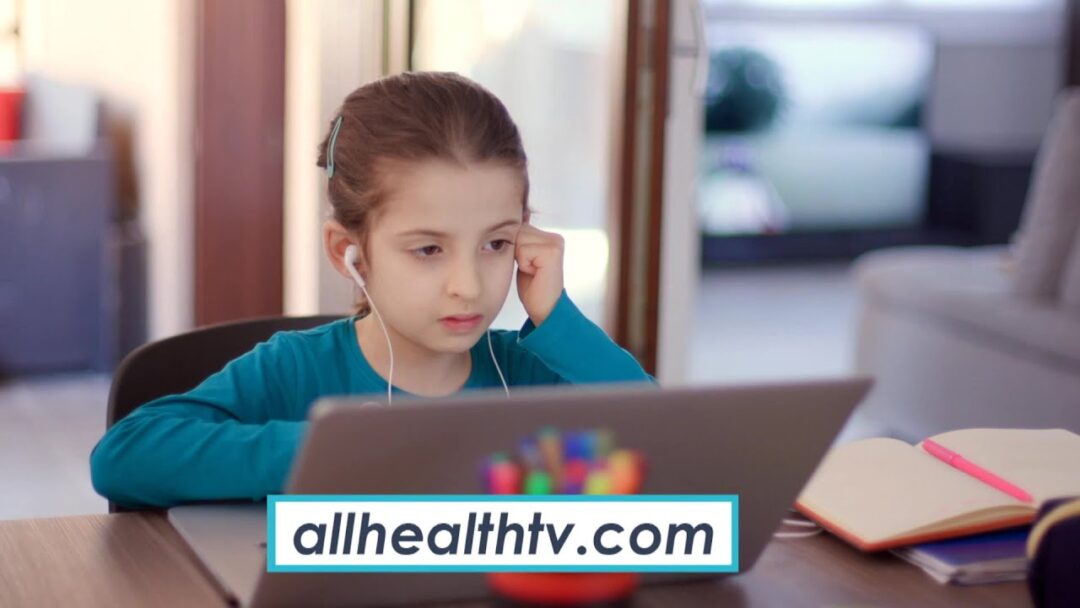
Adapting to distance learning can be difficult for school-aged kids. They may struggle with missing school and fear of the unknown. Families can help children to adapt to this new normal by establishing routines and being “active listeners.” A teacher explains how free online academic resources can enrich kids’ time at home.