

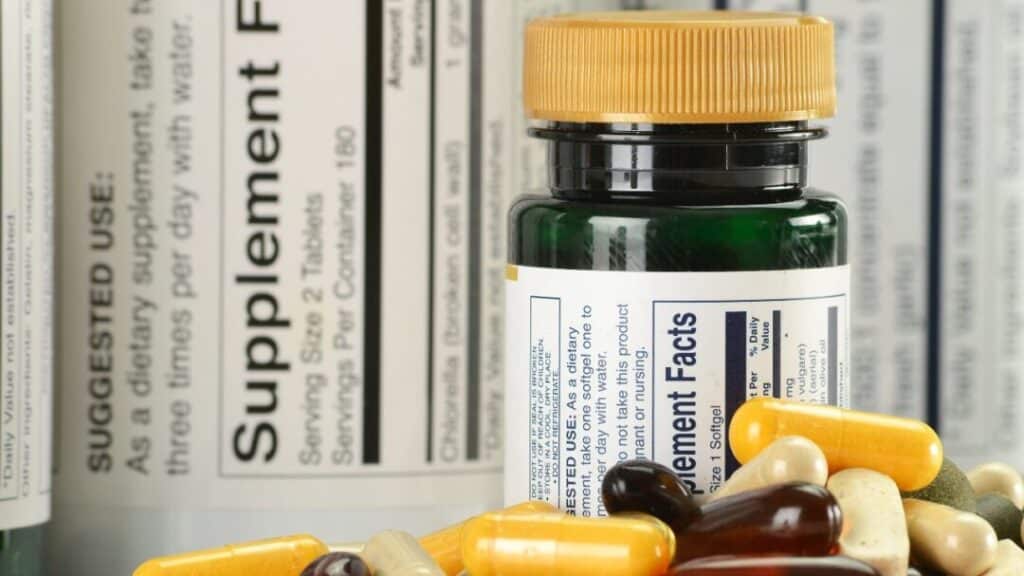
Are all dietary supplements safe?
"One man's meat is another man's poison" - Lucretius, 1st century BCRecently, a friend of mine ended up in the emergency department a few days after starting a dietary supplement that she assumed was safe since it could be purchased without a prescription. What she didn’t realize is that many supplements, just like prescription medications,…...
Read More
Do we really need to drink so much water?
"Water is the driving force in nature." --Leonardo da Vinci Water constitutes up to 60% of the human adult body. This water serves a number of important functions including: Helping to regulate body temperature through sweating Assisting in flushing waste out of the body Carrying nutrients and oxygen to the body’s cells Moistening tissues in…...
Read More
What is supportive care in relation to Ebola infections?
Recently, the term “supportive care” has appeared in news releases in relation to the treatment of Ebola virus victims without providing much information on the specifics of this treatment. Actually, supportive care has more than one context in medicine. For example, in terminal cancer, supportive care, also known as palliative care, focuses on relieving suffering…...
Read More
Why is it important to have a strong core?
Many people have heard about the benefits of having a strong “core”, but few really understand which muscles are parts of the core group or why they are so important. Which muscles are considered to be part of the core? Although definitions of which muscles constitute the core vary, in general, they are considered to…...
Read More
What do our muscles really do?
Muscles are responsible for numerous bodily functions. Their actions can be broken down into two categories, voluntary and involuntary. Voluntary actions, such as walking or talking, are functions that are prompted and controlled by conscious decision. Involuntary actions, such as when our heart beats or our food undergoes digestion, occur without us having to think…...
Read More
Can a backpack really cause back issues?
Backpacks have become the most popular means for school-age children to carry their books and school supplies. In fact, when used correctly, a properly designed backpack is an excellent way to carry the necessities of the school day. Unfortunately, thousands of children each year experience back pain related to use of school backpacks that are…...
Read More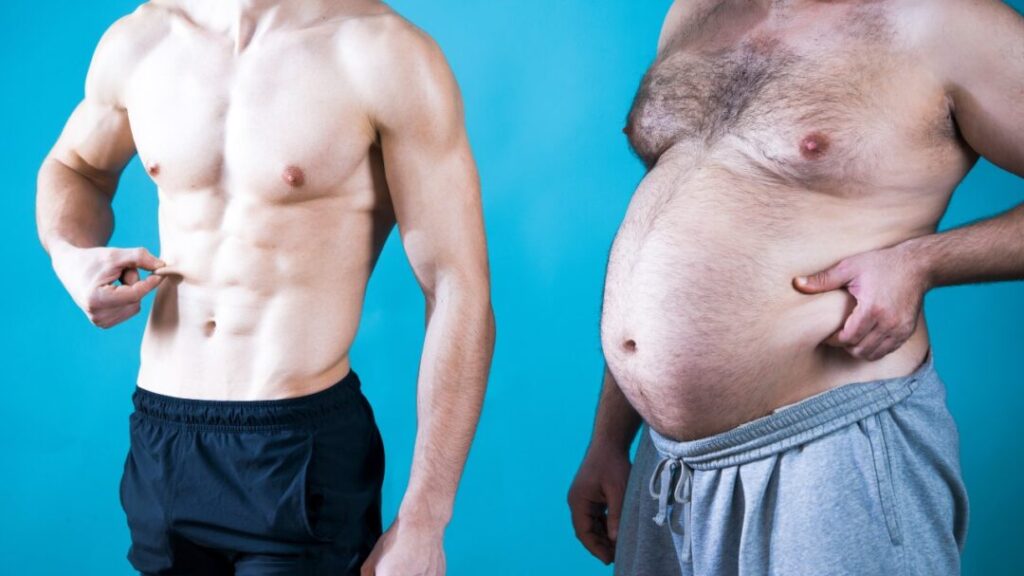
Does muscle really weigh more than fat?
A pound of anything still weighs a pound. A pound of lead weighs the same as a pound of feathers and a pound of muscle weighs the same as a pound of fat. The misconception that muscle is heavier than fat comes from muscle being more compact or dense than fat, so if you consider…...
Read More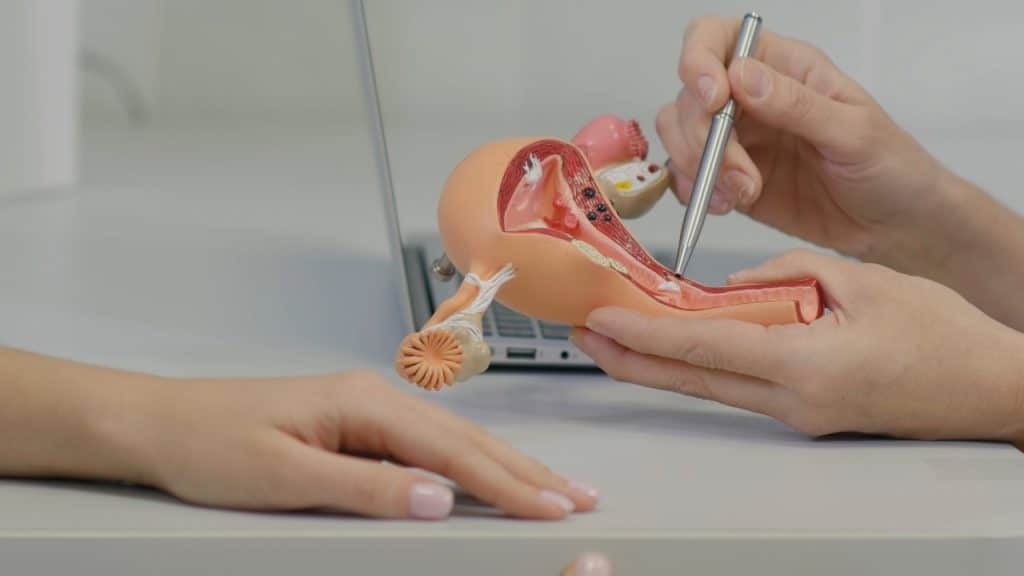
What should I know about ovarian cancer?
September is Ovarian Cancer Awareness month. The American Cancer Society has estimated that in 2014, approximately 22,000 women will receive a new diagnosis of ovarian cancer and over 14,000 will die of this disease. By learning more about this type of cancer, it is hoped that more women will be directed toward appropriate screening to…...
Read More